Yes, you absolutely can build a deck on a sloped yard, and many homeowners in Watsonville, CA choose this option because uneven terrain is common throughout the area. Properties near spots like Watsonville Plaza and Ramsay Park often sit on rolling ground shaped by coastal hills and long-term natural movement. A well‑planned structure adapts to these changes in elevation by using tailored support systems that create a stable, comfortable surface for everyday use.
When a deck is designed and built correctly, you gain a safe, long‑lasting outdoor space that performs reliably through seasonal moisture, shifting temperatures, and regular use. Decks By Decamp is here to walk you through how a deck can work beautifully on your sloped yard and how thoughtful planning turns challenging terrain into an advantage.
How Slope and Grade Impact Deck Design
Every yard has its own character, and the degree of slope plays a major role in shaping your deck design. A mild incline usually requires only modest adjustments, such as slightly taller posts or a small step transition. Moderate slopes call for more intentional planning, including tiered layouts or extended framing that keeps the walking surface level. Steeper grades often benefit from multi‑level platforms that follow the land’s natural flow, creating a layered outdoor experience.
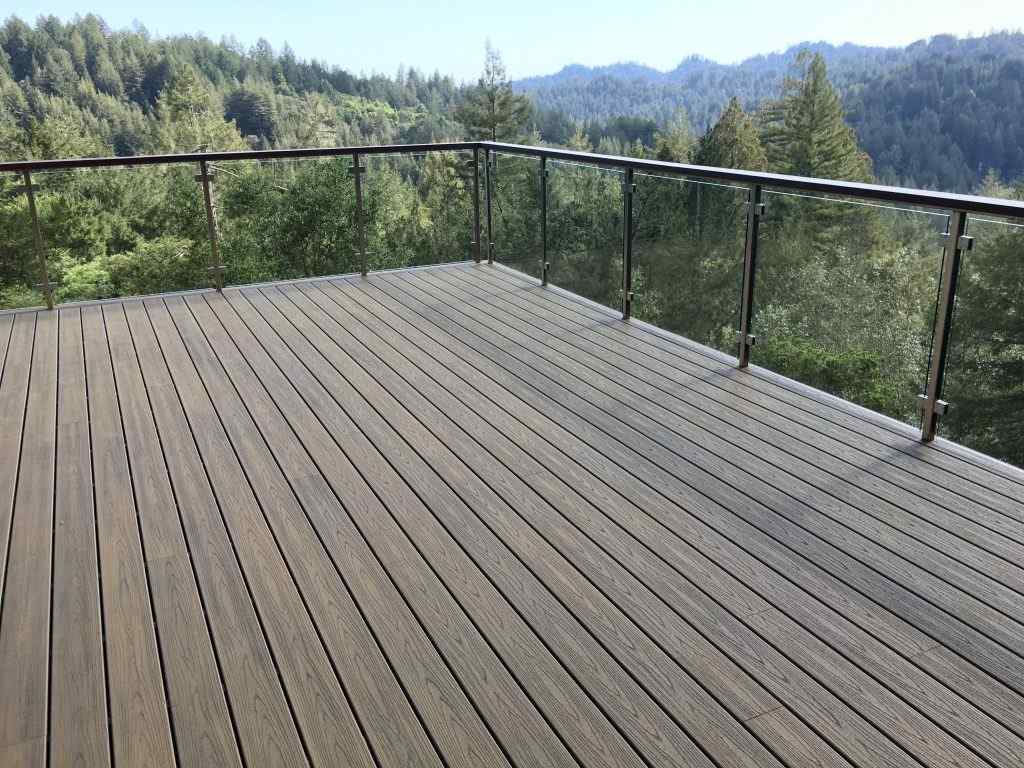
The grade also influences height, footprint, and overall layout. A steeper incline can lift your deck higher off the ground, which often opens up better views and a more open feel. Elevated positioning can give you a clearer line of sight toward surrounding scenery, making the space feel larger and more inviting. Because of these variables, slope evaluation is always the first step. Understanding the land’s angles helps determine the right structure, the best placement, and the most efficient way to create a comfortable, durable outdoor area.
Foundation and Support for Sloped Yards
A strong foundation is essential when building a deck on uneven terrain. Reinforced footings are commonly used to anchor the structure securely, and extended support posts help maintain a level surface even when the ground drops away beneath part of the deck. In some situations, stepped foundations are the best choice because they follow the natural grade while keeping each section stable.
Retaining walls may be appropriate when soil needs extra containment or when the slope is too sharp for standard footings alone. Soil type also matters. Sandy or loose soil requires deeper or wider footings, while dense, compacted ground may need different reinforcement strategies. Every decision aims to safeguard long‑term stability and even load distribution so your deck remains solid and dependable through years of use.
Permits, Codes, and Local Requirements in Watsonville, CA
Watsonville has specific building codes that apply to elevated and hillside decks, especially those built on sloped properties. These rules address structural strength, railing height, footing depth, and other safety features. When a deck sits higher off the ground, additional requirements often apply to ensure the structure can handle environmental forces and regular use.
Permits typically consider slope, height, and the overall design. Inspections are usually required at key stages, such as footing installation and final completion, to confirm compliance with local standards. Working with a local deck builder helps you avoid delays because they understand the city’s expectations and can guide you through the permit process efficiently.
Drainage, Erosion, and Moisture Considerations
Water naturally moves downhill, which means sloped yards require careful planning to manage runoff. Without proper drainage, soil around the footings can erode, weakening the support system over time. A well‑designed deck includes strategies that direct water away from structural components and prevent pooling beneath the surface.
Runoff management protects both your yard and your deck. Grading adjustments, gravel beds, and drainage channels can help maintain soil stability. Material choices also matter in coastal environments. Moisture‑resistant boards, hardware designed for humid conditions, and airflow‑friendly layouts help your deck stay strong and attractive despite the region’s damp air and seasonal fog.
Cost Factors When Building a Deck on a Slope
Building on a slope often involves a higher investment than constructing on flat ground. Additional labor is required to install deeper footings, extended posts, or tiered platforms. Materials may also increase because of the need for reinforced framing or specialized hardware. Engineering considerations add another layer of planning, ensuring the structure can handle elevation changes and long‑term use.
Design complexity influences cost as well. Multi‑level layouts, integrated stairs, and unique shapes require more time and precision. Balancing your budget with durability and visual appeal is key. A well‑planned structure gives you lasting value, especially when it’s built to handle the unique conditions of a sloped yard.
Why Professional Design and Installation Matters
Improper construction on uneven ground can lead to structural issues, uneven surfaces, or long‑term instability. Experience with hillside and sloped‑yard projects is essential because these builds require specialized knowledge and careful planning. A professional team understands how to evaluate soil, choose the right foundation, and create a layout that feels natural and secure.
Thoughtful design by Decks By Decamp enhances safety, comfort, and longevity. You get a space that feels intentional, blends with your yard’s natural shape, and supports daily use without worry.
If you’re ready to explore how a tailored structure can transform your sloped yard in Watsonville, CA, reach out to Decks By Decamp for custom decks and deck building that elevate your outdoor living.