Composite vs. Wood Decking: Which Is Better for Coastal California Homes?
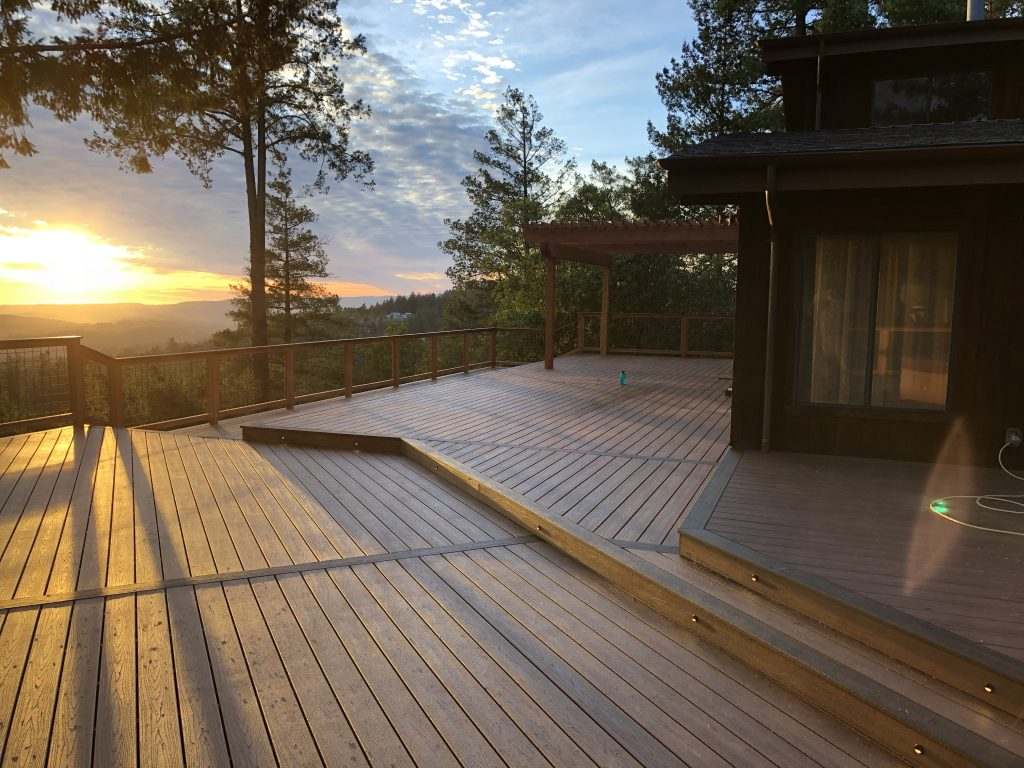
Building a deck near the coast in California has a unique set of challenges that you will face as a homeowner. Salt air, moisture, and constant sun exposure all affect how materials perform over time. What looks great on day one can quickly fade, warp, or deteriorate if it is not suitable for the environment. That is why choosing between composite decking and traditional wood is about more than aesthetics. The right material can impact durability, maintenance, and long-term value. Understanding how each option holds up in coastal conditions can help you make a better-informed decision before working with a deck builder. How Coastal Conditions Affect Decking Materials Coastal California creates an environment that is tough on outdoor structures. Salt in the air accelerates corrosion and surface wear, while moisture increases the risk of rot and mold. Sun exposure adds another layer of stress. UV rays can fade colors, dry out materials, and weaken structural integrity. Under these conditions, your decking material must withstand more than just everyday use. Choosing the right material will maximize your potential to remain safe and functional for years. Composite Decking: Built for Durability Composite decking has become a popular choice for coastal homes because of its ability to handle harsh conditions. Manufacturers create it by combining recycled materials with wood fibers, giving it strong resistance to moisture and weather-related damage. One of the biggest advantages of composite decking is that it is more durable than natural wood, so it has a higher resistance to splintering and insect damage. It does not absorb water in the same way, which helps to prevent the decking from swelling and warping. Composite materials also hold their color longer. While some fading can occur over time, it is generally less noticeable than with wood. This makes composite decking a strong option if you want a consistent appearance with minimal upkeep. Wood Decking: Natural Look With Higher Maintenance Wood decking offers a classic, natural appearance that many homeowners prefer. Materials such as cedar and redwood can create a warm and inviting outdoor space. Wood requires more maintenance to perform well in coastal conditions. Exposure to moisture can result in rot, while sun exposure can cause fading and cracking. To protect wood decking, regular sealing, staining, and cleaning are necessary. Without this type of care, the material will degrade more quickly. If you prioritize appearance and do not mind tending to ongoing maintenance, wood is a viable option to consider. Maintenance Requirements: What to Expect Maintenance is one of the biggest differences between composite and wood decking. Composite decking requires minimal upkeep beyond occasional cleaning. It does not require staining or sealing, so it can help you save time and money. This makes it appealing for homeowners who want a low-maintenance solution. Wood decking, on the other hand, requires regular attention. Sealing and staining will help to protect the surface from moisture and UV damage. Cleaning is also important to prevent mold and mildew buildup. These maintenance tasks take a lot of time and add to the overall cost of owning a wood deck. Long-Term Value and Cost Considerations Up-front cost is a deciding factor when choosing your deck design. Wood decking typically has a lower initial cost compared to composite decking. Long-term value tells a different story. Composite decking tends to last longer and requires fewer repairs. This helps to offset the higher initial investment. Remodeling and maintenance costs for wood can add up. Regular treatments, repairs, and potential replacements all contribute to the overall expense. When you evaluate costs, make sure to consider your total investment, not just the initial price. Which Option Is Better for Coastal California Homes? The best choice depends on your priorities and how you plan to use your deck. Composite decking offers durability, low maintenance, and strong resistance to coastal conditions. Wood decking provides a natural look and traditional appeal but requires more upkeep to maintain. In coastal environments, this added maintenance is a significant factor. Build a Deck That Lasts Choosing between composite decking and wood is about more than appearance. You need a material that can handle the demands of coastal living while meeting your expectations for maintenance and longevity. Based in Watsonville, Decks By DeCamp serves Monterey, Santa Cruz, San Benito, and Santa Clara counties. We understand the challenges of building decks in coastal California and can help you select the right solution for your home. Let Decks By DeCamp bring your vision to life. Get in touch to consult a deck builder today.